

Loading...
Loading...
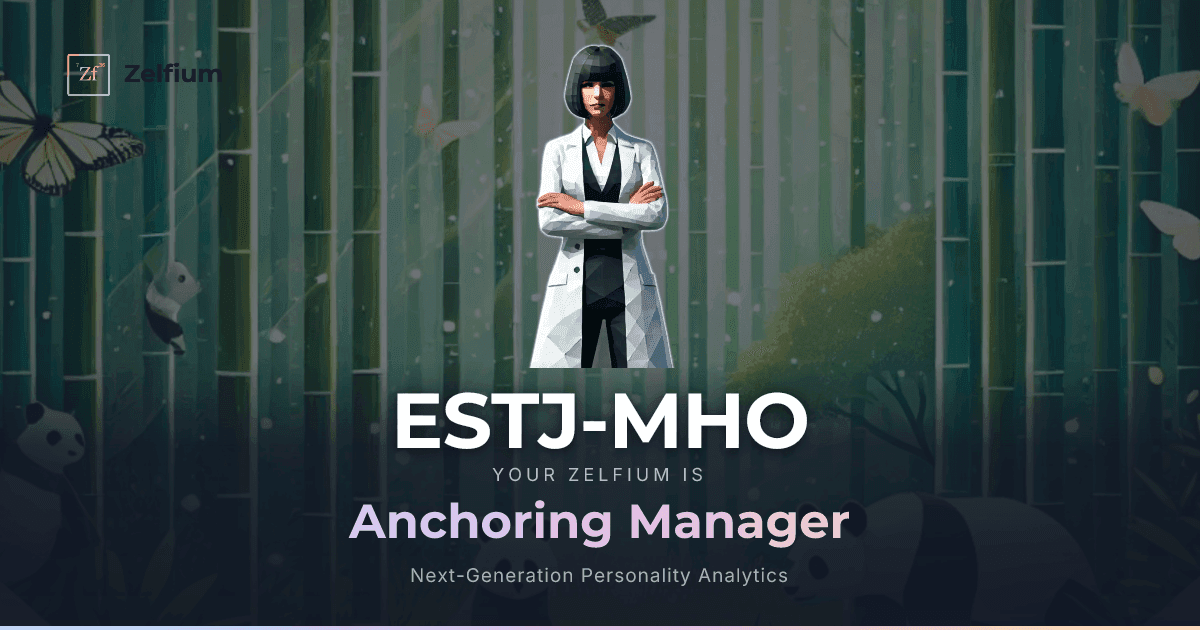
The Anchoring Manager
The ESTJ-MHO may be the most stabilizing presence a team or organization can have — a leader whose operational discipline is inseparable from a deep, warm commitment to the people and traditions that give an institution its soul. The ESTJ provides the visible architecture: clear expectations, logical processes, accountability structures, and the relentless drive to get things done. The MHO background provides the invisible architecture: the faith in what has been built, the genuine care for every person within the walls, and an optimism so deeply rooted that it steadies everyone nearby without a word being spoken. Where other leaders create high-performing organizations that feel sterile, and still others create warm environments that lack rigor, the ESTJ-MHO achieves both — a place where standards are high and people are home. The combination is deceptively simple: competence fused with constancy, discipline fused with devotion. In practice, it is extraordinarily rare.
The ESTJ's operational instincts — extraverted engagement, sensory attention to the concrete, logical decision-making, and structured execution — create a leader who sees what is real, decides what to do about it, and does it. The MHO's three dimensions — maintaining, harmony, and optimism — create an inner world that treasures continuity, connects deeply with people, and carries an unshakable belief that steady effort will bring things right. When these two layers share a single person, the executive becomes something more than effective. The executive becomes enduring.
The ESTJ's sensory dimension and the MHO's maintaining dimension reinforce each other powerfully. Both value what has been proven. Both resist change for its own sake. Together, they create a leader with profound respect for institutional history — someone who understands that the procedures, traditions, and relational bonds that have survived years of use carry a wisdom that no innovation should casually discard. This type is the organizational memory that holds communities together.
The intersection of the ESTJ's thinking and the MHO's harmony produces a distinctive form of caring. The ESTJ expresses concern through structure — making sure things work, that people know what is expected, that systems protect rather than burden. The MHO expresses concern through presence — showing up, remembering, attending to the emotional fabric of the group. Together, these create a leader whose care is both systematic and personal. Obligations are met with precision, and people are met with warmth. This duality is what makes people under ESTJ-MHO leadership feel simultaneously challenged and safe.
The MHO's optimism transforms the ESTJ's natural intensity. Without it, the ESTJ's high standards and drive for accountability can create an atmosphere of pressure. With the MHO's optimism running beneath, that same drive is experienced differently — as faith in what the team can achieve rather than impatience with what it has not yet achieved. The leader believes things will work out, and that belief is transmitted not through motivational speeches but through the steady, calm confidence with which each day is approached.
The ESTJ-MHO is unmatched at building organizations that last. The executive instincts ensure operational excellence. The anchoring nature ensures that excellence is sustained not through constant reinvention but through the patient deepening of what already works. This produces institutions with genuine culture — not the kind of culture written on posters but the kind that lives in the way people treat each other, the traditions they maintain, and the trust they share.
There is an extraordinary capacity for sustaining morale over the long haul. Crisis leadership is dramatic and often celebrated. What the ESTJ-MHO provides is something harder and more valuable: the daily leadership that prevents crises from forming. By maintaining standards with consistency, caring for people with warmth, and holding optimism through difficulty, this combination creates environments where burnout is rare, loyalty runs deep, and people stay not because they have to but because they cannot imagine being anywhere else.
The harmony and optimism dimensions together give this leader an unusual ability to heal organizational wounds. After conflict, restructuring, or loss, the ESTJ-MHO's steady presence, combined with genuine warmth and faith in recovery, creates the conditions for collective healing. People sense that the leader believes in the future and cares about their present — and that combination is enough to rebuild trust that other events may have damaged.
The most significant tension in the ESTJ-MHO is between the executive's recognition that change is sometimes necessary and the anchor's instinct that what exists should be preserved. The ESTJ sees when a process is outdated, a structure is inefficient, or a direction needs correction. The MHO's maintaining dimension feels the cost of every change — the disruption to routines that gave people comfort, the loss of traditions that carried meaning, the anxiety of uncertainty introduced into what was stable. This can produce a leader who knows what needs to change but delays the change out of a protective instinct — and the delay itself can cause the very harm the protectiveness was trying to prevent.
A second tension exists between the MHO's optimism and the ESTJ's duty to honest assessment. The optimistic layer genuinely believes things will work out. The executive layer sees exactly when they are not working out and knows that naming the problem is the first step to solving it. When these two forces interact, there is a risk of the optimism rounding off the edges of difficult truths — not through dishonesty but through a sincere desire to protect morale. The leader may sense a serious problem but frame it as a manageable challenge, which can leave the team underprepared for what is actually coming. Learning to trust that the team's morale is strong enough to handle the full truth — partly because the leader's own steadiness has made it so — is an important growth edge.
There is also the quiet tension of self-neglect. The MHO's harmonious dimension prioritizes others' needs. The ESTJ's sense of responsibility makes delegation feel like shirking. The optimism whispers that personal strain will resolve itself. Together, these forces can create a leader who gives everything — operationally and emotionally — and assumes that replenishment will happen automatically. It rarely does. The ESTJ-MHO must learn to apply the same structured care to personal wellbeing that is so naturally extended to the organization.
Growth for the ESTJ-MHO is not about becoming more flexible or less devoted. It is about distinguishing between the continuity that sustains an organization and the continuity that gradually suffocates it. Some traditions deserve to be preserved forever. Others have outlived their purpose and persist only because letting go feels disloyal. The ESTJ-MHO who develops the discernment to tell the difference — who can release what no longer serves while protecting what still does — becomes a leader of extraordinary depth. The anchor holds, not because it refuses to move, but because it knows exactly which ground is worth holding.
The ESTJ-MHO portrait drawn here is the "pure form" — what emerges when every pole swings fully in this direction. In reality, each of your dimensions carries a different intensity, and at every intersection, a unique chemistry unfolds. Even a slight tilt in one dimension creates an entirely different internal dynamic — that is the resolution of Zelfium's 7-dimension model.
Zelfium measures each of 36 facets on a 6-point scale. The number of possible patterns:
6³⁶
possible patterns
vs all humans ever born
880 trillion ×
~117 billion humans have ever lived — repeat that 880 trillion times and you still can't fill every pattern
vs stars in the observable universe
~50,000 ×
~200 sextillion stars in the observable universe — still not enough
vs grains of sand on Earth
~1 billion ×
~7.5 quintillion grains of sand — multiply by a billion
vs current world population
~1.3 quintillion ×
Line up 1.3 quintillion copies of today's 8 billion people to fill every type
More than 50,000 times the number of every star in the observable universe. That is the resolution of your personality.
So don't fit yourself into this description too tightly. ESTJ-MHO is a compass showing the direction your personality leans — not a box that defines everything you are. The pattern woven by your 36 facets is singular in this universe. To discover that one-of-a-kind blend — to find your own ESTJ-MHO — take the assessment.