
Loading...
Loading...
The Wellspring
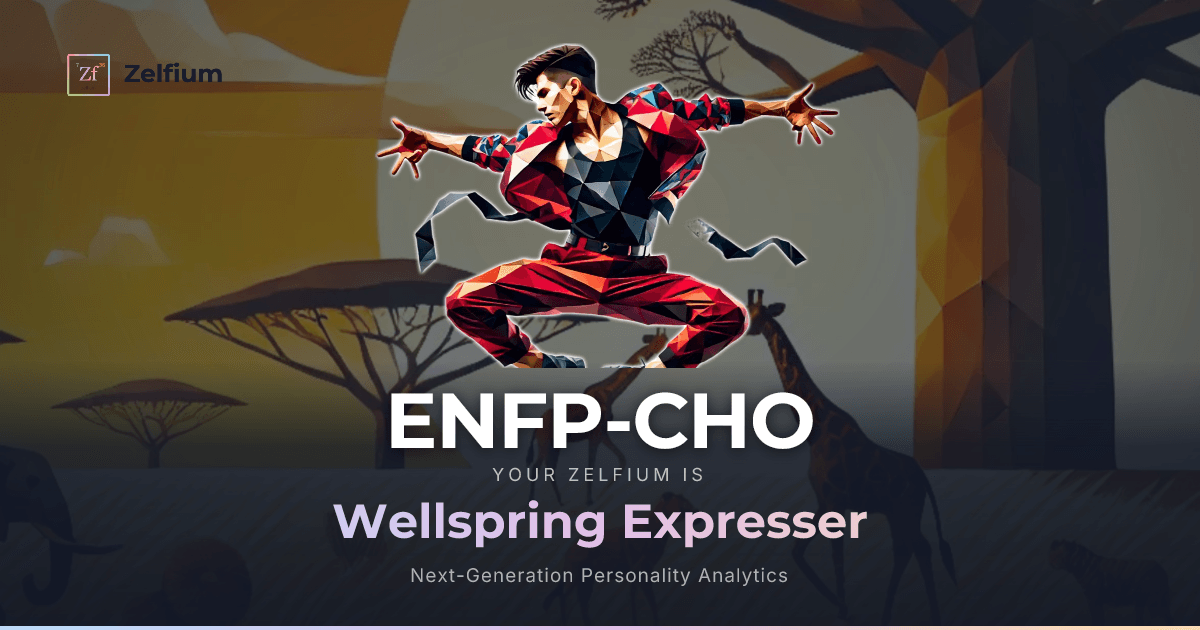
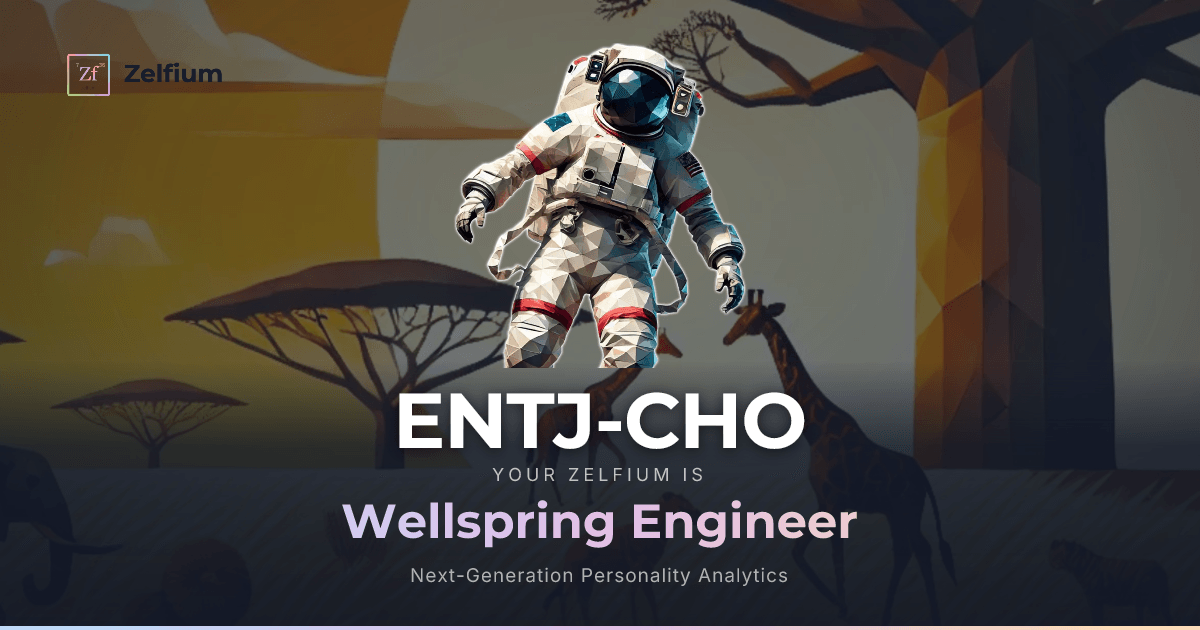
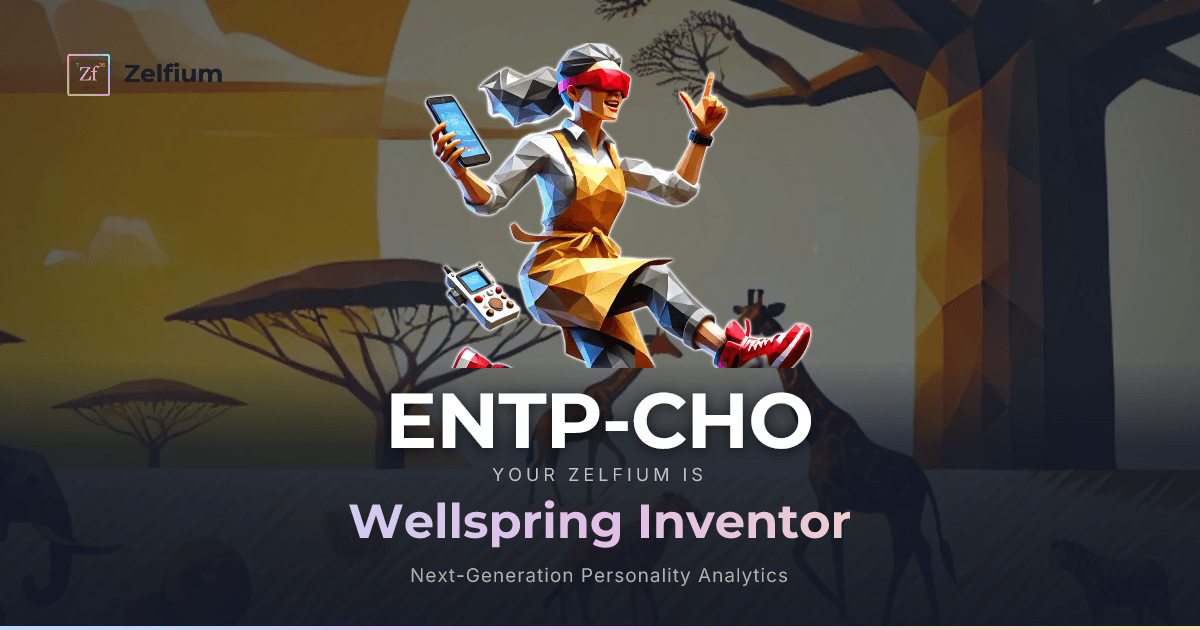
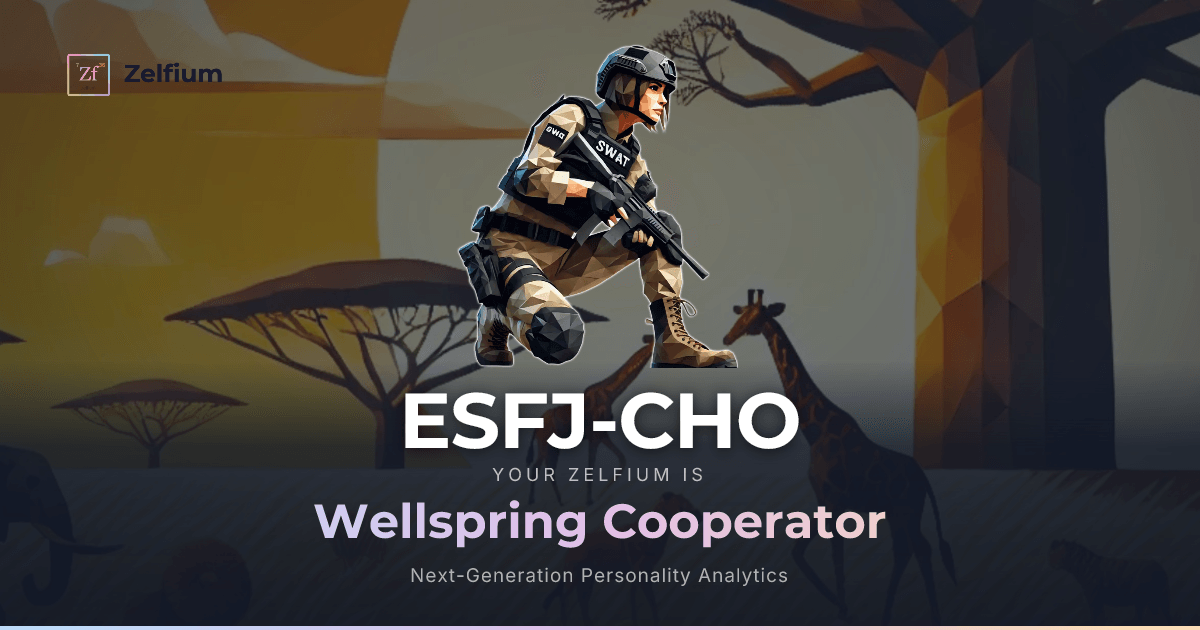
Among the background dimensions that color a person's inner world, the CHO signature — The Wellspring — stands out for its remarkable blend of three forces. These three letters represent Curious (C), the irrepressible pull toward the unknown and the unlearned; Harmonious (H), the instinct to weave trust and empathy into every relationship; and Optimistic (O), the deep emotional steadiness that makes it possible to face difficulty with a forward-looking heart. What makes this combination remarkable is the way adventurousness, warmth, and resilience blend into a single way of being. Curiosity opens doors, care for people ensures no one is left on the other side, and optimism means the journey rarely feels heavy even when it is hard. The CHO is someone who discovers new things and immediately wants to share them, who invites others into the adventure rather than racing ahead alone, and who carries an almost contagious belief that things will work out. This blend of openness, connection, and emotional buoyancy is the quality that distinguishes this type even among those who share the same core four-letter pattern — a deep, inexhaustible source that others draw from without ever finding it dry.
The same background type produces 16 distinct profiles depending on the character type combination.
Curiosity / Maintaining
Curiosity is not a trait the CHO carries — it is the engine that runs them. There is always a next horizon, a next puzzle, a next iteration of who they could become, and the pull toward it is so constant that standing still can feel almost physically uncomfortable. Challenges do not intimidate this type; they light something up. Every wall is a problem to be solved, and every problem solved reveals three more worth exploring. People with this dimension have probably launched more endeavors than they have completed, but that is not a lack of follow-through — it is what happens when every answer births new questions.
The internal flame does not ask for permission. It moves, builds, reaches outward. Others feel energized by the CHO's momentum, even when they struggle to match it. This relentless orientation toward growth is genuinely uncommon and powerful. The thing worth watching is sustainability — a candle lit at both ends does burn beautifully, but not for long. Distinguishing between the curiosity that deepens a core mission and the curiosity that fragments attention is how an already remarkable drive becomes something truly enduring.
Harmony / Detachment
Other people's emotions do not arrive to the CHO as information — they arrive as experience. When someone in the room is wounded, this type feels it in their own body before a word has been said. When a friend celebrates, that happiness moves through them as if it were their own. This is not a learned behavior; it is the way the system is wired. But the attunement to people is more than emotional warmth. Underneath the empathy sits a firm standard for honesty and fairness — not because external rules demand it, but because for the CHO, caring about someone and being truthful with them are the same act.
Relationships are not a compartment of life; they are the architecture of it, and the CHO inhabits them with both tenderness and integrity. People sense this duality, and it is why they come to this type when things fall apart — they trust that kindness and realness will arrive together. The edge to watch is boundaries. When the capacity to feel for others is this large, self-care can quietly drop off the list. Saying "I need space" is not withdrawal. It is how the giver protects themselves so the giving can continue.
Responsiveness / Optimism
There is a steadiness at the CHO's center that most people find remarkable. When the world around them panics, worries, or spirals, this type moves through it with a composure that can seem almost supernatural. Pressure does not rattle the CHO — if anything, it sharpens focus. There is a trust in personal judgment, a belief that things will work out, and a refusal to waste energy on outcomes beyond control. This is not naivety or denial. It is a deeply rooted emotional stability, and it is the reason people reach for the CHO when everything else is falling apart.
The unshakable confidence and forward orientation are genuine assets — a natural anchor in any storm. The growth edge here is subtle but important: because internal stress signals are so quiet, early warnings about things that truly need attention — health, a relationship that is drifting, a situation deteriorating beneath the surface — can be missed. The goal is not to worry more. It is to build a habit of checking in — with oneself, with the people nearby — so that this extraordinary steadiness remains a strength rather than a blind spot.
When curiosity (C) and harmony (H) and optimism (O) converge inside a single person, what emerges is someone who takes people on adventures. The pull toward the unknown does not become a solitary expedition — it becomes an invitation. Curiosity asks "What is out there?", harmony extends a hand and says "Come with me," and optimism adds "I am sure it will be worth it." When all three operate together, people find themselves swept up almost without realizing it, drawn forward by a force that feels both exciting and safe.
The essence of this combination is something that might be called generous momentum. When the CHO heads toward a new idea or an unexplored territory, leaving someone behind feels instinctively wrong — not out of obligation, but out of a deep conviction that discovery is only fully real when it is shared. And beneath that conviction sits the optimism that holds everything together: the quiet trust that even if things go sideways, everyone will find their footing again. This three-part engine — the spark, the embrace, the steady ground — is what makes The Wellspring's presence feel both nourishing and reassuring at the same time.
When curiosity and optimism join forces, something like a fearless explorer appears. Facing a new challenge, the anticipation of discovery overwhelms any fear of failure. When something does not work, it is not a defeat — it is data. The CHO learns what did not function and pivots to the next approach with a lightness that surprises people nearby. This resilience is a distinctive product of the C-O intersection: curiosity supplies the alternative path ("Let us try another way"), and optimism supplies the confidence ("This time it will click"). The two alternate like a heartbeat, producing a rhythm of attempt, learning, and re-attempt that rarely pauses for long.
Harmony adds a dimension of resonance to this cycle. The CHO does not think alone or act alone — other perspectives are naturally pulled into the exploration. An unexpected insight surfacing in conversation with someone else is one of this type's genuine pleasures. Curiosity frames the question, harmony draws in other minds, and optimism trusts the chemistry of that collaboration. This three-beat rhythm transforms thinking from a private exercise into a collective wellspring of creative energy, and it is one of the reasons that working alongside a CHO tends to feel less like effort and more like play.
In everyday life, the intersection of curiosity and harmony expresses itself as a compulsion to learn with and through other people. The CHO reads a new book and immediately wants to tell someone about it. They stumble onto an interesting place and the first thought is which friend to invite. Knowledge, for this type, is not meant to be stored — it is meant to circulate. And the pairing of harmony and optimism adds a layer of generous trust to everything that is shared: the CHO tends to see the best in people, to believe in their potential, and to relate to them in a way that somehow makes it easier for others to believe in themselves too.
At the root of the CHO value system is what might be called open optimism. The world is fundamentally an interesting place, and people are fundamentally well-intentioned — this double trust colors every corner of daily experience. A new project, a trip to an unfamiliar city, a conversation with a stranger: none of these register as threats. They are invitations. And the choice to almost never go alone is more than sociability — it is a deeply held value. The meaning of an adventure is completed when there is someone to share the story with.
These three dimensions do not always pull in the same direction. Curiosity is inherently a forward force — next discovery, next challenge, next horizon. Harmony, on the other hand, cares about everyone being comfortable and included. A subtle friction lives here: when the people nearby cannot keep up with the CHO's pace, curiosity whispers "I cannot wait" while harmony insists "I cannot leave them behind." This tug-of-war plays out quietly but persistently inside this type.
A second, more delicate tension sits between optimism and harmony. Optimism has a way of making problems look lighter than they are — "It will be fine, do not worry." But the pain that the harmonious side picks up from others is not always something that "fine" can address. When someone is genuinely suffering, optimism may unconsciously dilute the seriousness of what they feel. A well-meaning "Cheer up" can, despite the best intentions, leave the other person feeling that their emotions were not fully received.
Growth lies in learning to adjust the balance consciously. The CHO does not need to bring everyone on every journey — but choosing who to bring matters. There is no need to believe everything will work out — but being willing to sit with someone when it does not is something that can be practiced. Slowing curiosity is not the point; glancing back to extend a hand is. Releasing optimism is not the goal; sometimes just sitting quietly beside someone is. When the CHO learns these small calibrations, The Wellspring deepens into something even more remarkable — a presence that people do not just enjoy but genuinely need, an inner reserve that nourishes without ever running dry.
The same background type produces 16 distinct profiles depending on the character type combination.
The CHO portrait drawn here is the "pure form" — what emerges when every pole swings fully in this direction. In reality, each of your dimensions carries a different intensity, and at every intersection, a unique chemistry unfolds. Even a slight tilt in one dimension creates an entirely different internal dynamic — that is the resolution of Zelfium's 7-dimension model.
Zelfium measures each of 36 facets on a 6-point scale. The number of possible patterns:
6³⁶
possible patterns
vs all humans ever born
880 trillion ×
~117 billion humans have ever lived — repeat that 880 trillion times and you still can't fill every pattern
vs stars in the observable universe
~50,000 ×
~200 sextillion stars in the observable universe — still not enough
vs grains of sand on Earth
~1 billion ×
~7.5 quintillion grains of sand — multiply by a billion
vs current world population
~1.3 quintillion ×
Line up 1.3 quintillion copies of today's 8 billion people to fill every type
More than 50,000 times the number of every star in the observable universe. That is the resolution of your personality.
So don't fit yourself into this description too tightly. CHO is a compass showing the direction your personality leans — not a box that defines everything you are. The pattern woven by your 36 facets is singular in this universe. To discover that one-of-a-kind blend — to find your own CHO — take the assessment.